The Healing Power of Liberating Therapy Spaces
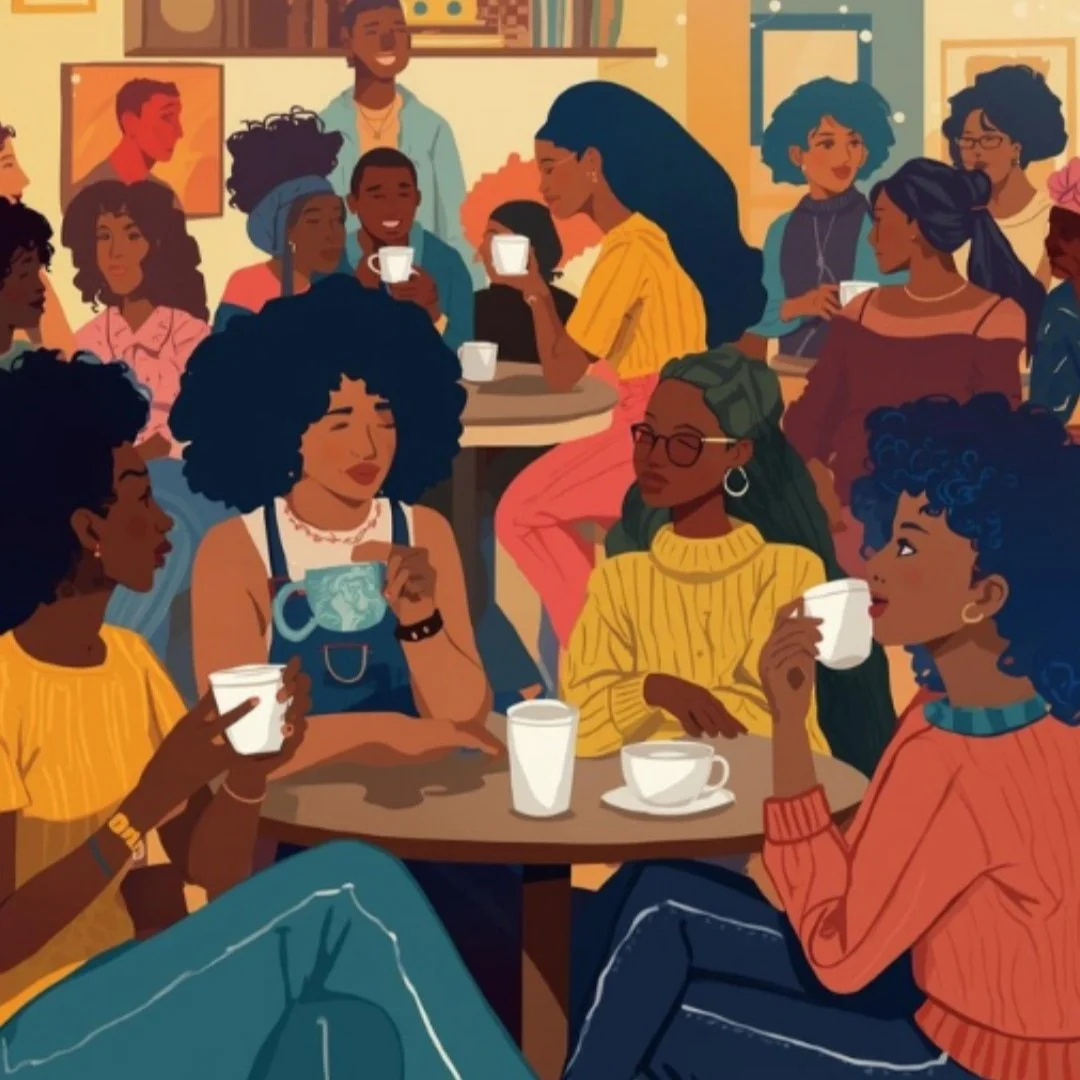
A warm, natural-light portrait of Black women seated together.
Black healing is shaped by history, held in community, and inseparable from the ongoing work of liberation. Our emotional and mental well-being cannot be separated from the systems we navigate, the communities we belong to, or the cultural memory we carry. When we sit with our pain, we're not just sitting with our individual stories; we're holding generations of resilience, resistance, and survival. Healing, then, is both deeply personal and inherently collective.
Liberation invites us to reimagine what healing can look like when we move beyond survival and toward wholeness. It asks us to question harmful narratives and create space for authenticity, rest, and self-definition. From this perspective, healing is not just about managing distress. It is a radical act of reclaiming the freedom to exist, imagine, and build lives that reflect our deepest values and collective hopes.
The Weight of Survival
Survival can take many forms: hyper-independence, emotional suppression, code-switching, or constant anticipation of how one's behavior will be perceived. These patterns often develop as a form of protection against racism, discrimination, and social marginalization. While they may help us navigate difficult environments, they carry a heavy emotional toll.
Chronic stress, burnout, anxiety, and depression are often the invisible companions of long-term survival mode. When someone is constantly anticipating misunderstanding, the nervous system rarely has the chance to settle. Living in this state of vigilance can make it difficult for the body and mind to experience true rest.
Survival can also look like continuing to push forward even when something hurts and suppressing emotions. The cultural narrative of strength can sometimes discourage vulnerability. Being "strong" may mean not crying, not asking for help, or pushing through exhaustion. But healing requires something different. It requires safety, connection, and the freedom to feel.
What Liberation Looks Like for Mental Health
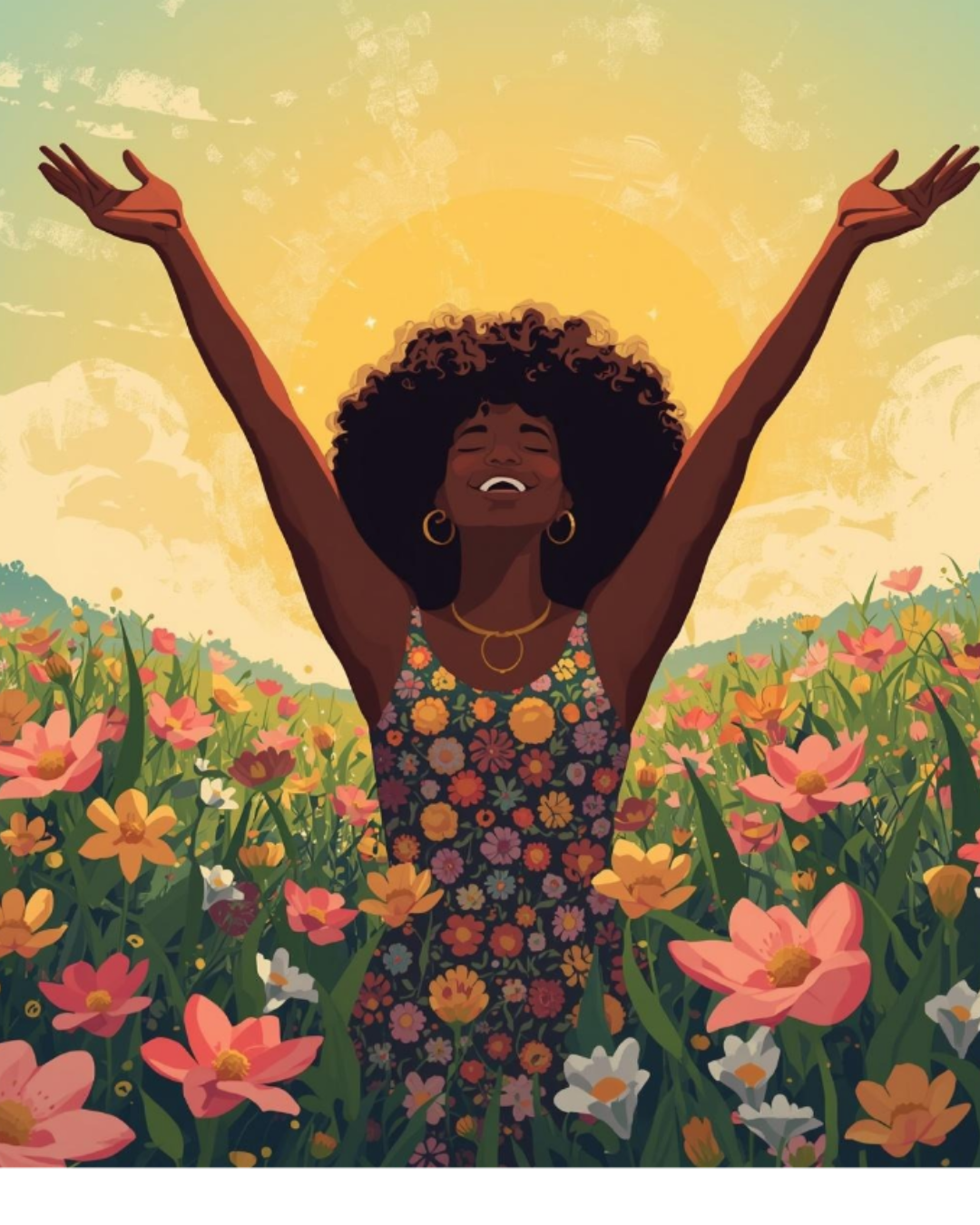
Joyful Black woman
Black liberation within mental health means reclaiming the full spectrum of emotional life, acknowledging that joy, anger, grief, rest, and softness all belong in the same story. It means creating environments where someone does not have to translate their experiences to be understood.
In liberating spaces, conversations about racial trauma, cultural identity, family dynamics, and generational resilience are central to your story. In these spaces, someone might feel safe enough to say:
"I'm tired of being the strong one."
"I feel grief about things my family never had the chance to heal."
"I want to feel joy without guilt."
These statements might feel risky in spaces where we often fear being misunderstood. But in liberating spaces, they become invitations for connection rather than sources of judgment.
The Importance of Being Seen
One of the most powerful aspects of Black liberating spaces is the opportunity to feel genuinely seen and understood. Navigating stereotypes, microaggressions, and assumptions about who we are, over time, these experiences can create psychological exhaustion. Being in liberating spaces can create a profound shift. We can show parts of ourselves that may feel hidden in other environments, allowing emotions, vulnerability, and authenticity to surface.
Feeling truly seen can reduce isolation, deepen a sense of belonging, and create room to process experiences openly. In liberating spaces, we do not have to continually explain or defend our realities. These environments communicate a powerful message: your experiences are valid, and they make sense here.
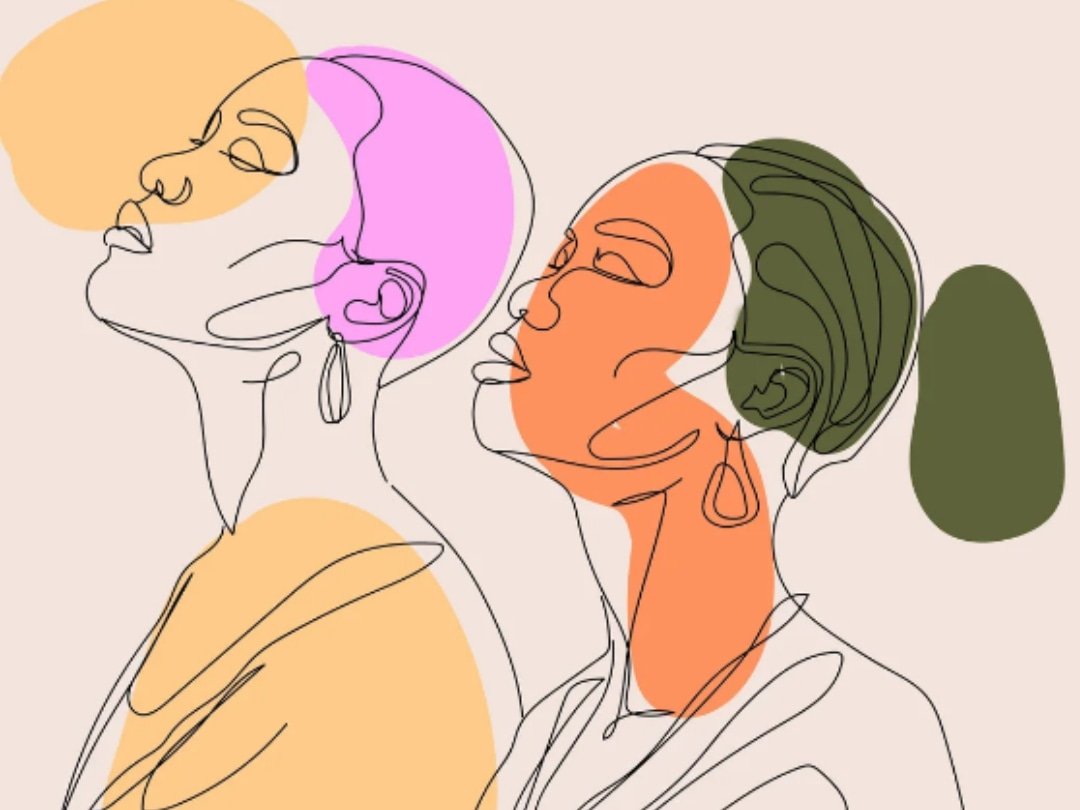
Black Women relaxing
Joy, Self-Expression, and Rest as Liberation
Joy is an essential part of liberation. Experiencing joy becomes a way of reclaiming humanity. Whether it shows up through laughter with friends, dancing, creating, or simply feeling at ease in one’s body, joy reminds us that we deserve pleasure, rest, and happiness. Joy becomes more than just an emotion; it becomes a form of resistance.
Self-expression extends liberation. Throughout history, Black voices, identities, and stories have been misunderstood, controlled, or erased. Through art, fashion, music, storytelling, and everyday authenticity, self-expression becomes a way of reclaiming voice and visibility. When we express ourselves freely, we reconnect with our creativity, identity, and sense of agency.
Rest, too, is liberation. In a society that measures worth through productivity, it's always fallen harder on Black individuals who are expected to overperform. It is easy to adapt to the belief that rest must be earned. Liberating spaces challenge this idea by affirming that rest is a human right, not a reward. It allows the nervous system time to recover from chronic stress and supports emotional regulation, creativity, and physical well-being. Rest also communicates a deeper truth: your value is not defined by your productivity.
The Role of Cultural Expression in Healing
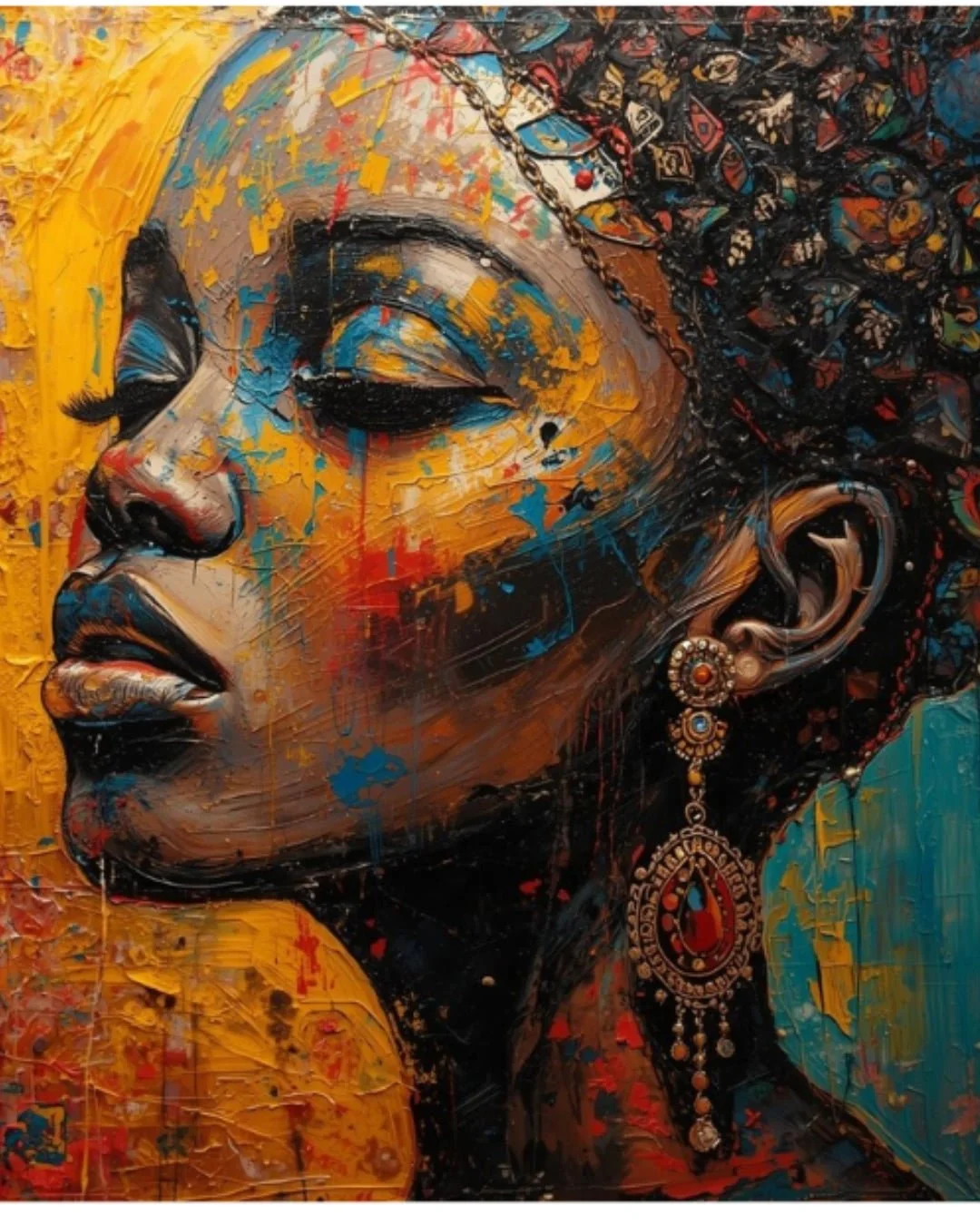
Black woman closing eyes
Culturally, art, music, dance, poetry, and storytelling have always been essential tools of survival. Creative expression allows us to process complex emotions that might be difficult to articulate directly. A poem can hold grief. A song can carry both pain and hope. A dance can release tension stored in the body.
Cultural expression reconnects us to ancestral resilience. Many forms of black artistic expression have roots in traditions that sustained communities through oppression and displacement. Engaging in these practices reminds us that we are part of a larger story, filled not only with pain, but with creativity, brilliance, and joy.
The Role of Therapy in Liberation
Therapy can be part of Black liberation when it acknowledges the cultural, historical, and relational context of mental health. For many Black individuals, therapy becomes more meaningful when it also validates the impact of racism, cultural identity, and generational experiences. Healing with support from therapists who understand how personal pain connects to broader systems help you navigate your realities with understanding, compassion, and empowerment.
Liberation-oriented therapeutic spaces encourage clients to explore questions such as:
How have societal messages shaped the way I see myself?
What parts of my identity have I learned to hide?
What would it look like to live more freely?
How can I reconnect with the parts of myself that have been silenced
These conversations allow individuals to reconnect with their authentic selves. Liberation-oriented healing recognizes the incredible resilience that many of us carry, while also acknowledging the cost of that resilience.
Building and Protecting Liberating Spaces
Black liberating spaces are intentionally built and protected by people who value community care, authenticity, and mutual respect. These spaces can take many forms: support groups, therapy communities, creative collectives, cultural organizations, informal gatherings of friends, and online communities centered on shared experience.
What makes these spaces liberating is the commitment to safety, affirmation, and emotional honesty. These environments encourage one another to explore identity, express vulnerability, and imagine lives beyond survival. They also hold space for complexity while providing support through navigating hardships without losing one's sense of self.
Imagining New Possibilities
One of the most powerful aspects of liberating spaces is the ability to nurture imagination. Liberating spaces expands that vision. They invite us to ask new questions:

Black girl contemplating and thinking
"What would my life look like if I trusted myself more?"
"What if rest and joy were central to my existence?"
"What if I did not have to carry everything alone?"
Mental health becomes more than symptom reduction. It becomes the cultivation of a life that feels meaningful, connected, and free.
Mindful Practices for Liberation
The following are some ways to embody healing across the dimensions of mind, body, and community.
Mind & Reflection
Learn and reclaim history through the works of Black scholars, activists, and storytellers.
Journal about identity and lived experience, exploring how systems have shaped your story and how you might reclaim your own narrative.
Be intentional about media consumption. Seek out films, books, and podcasts that center Black voices and creativity.
Body & Rest
Move in ways that feel like celebration: Walking, dancing, yoga, strength training.
Prioritize rest and sleep as a form of resistance, not reward.
Spend time in nature for grounding, reflection, and renewal.
Community & Joy
Invest time in supportive relationships and community spaces that foster genuine belonging.
Practice joy through laughter, music, creativity, and celebration.
Honor ancestry and cultural traditions as a source of identity and self-worth.
Seek therapeutic spaces, support groups, or healing circles where your experiences are truly understood.
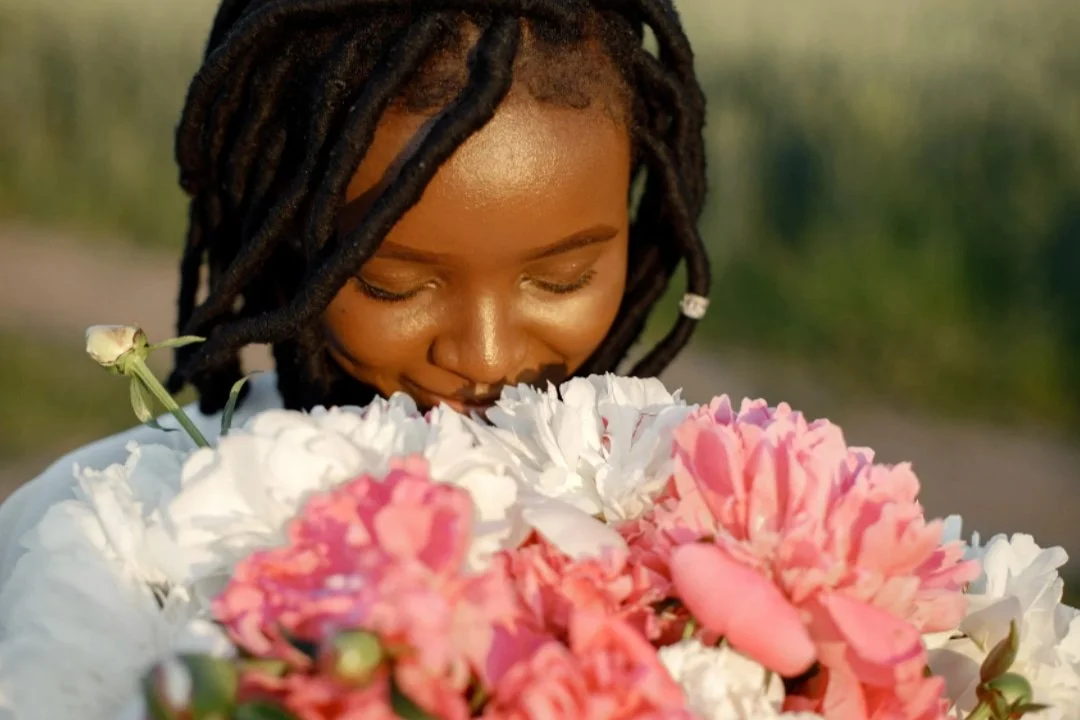
Black woman smelling flowers
Liberation as an Ongoing Practice
Black liberation and healing are ongoing practices that require care, intention, and community. Healing is not linear; we may move between survival and rest, grief and joy, exhaustion and renewal. Liberating spaces provide the support needed to navigate these cycles without shame.
Ultimately, mental health within Black liberation is about reclaiming humanity. It is about recognizing that we deserve peace, creativity, connection, and emotional fullness. When we gather in spaces that affirm our dignity and complexity, something powerful happens. Liberation is not only something to fight for, but it’s also something to feel.
Get Started Today
If you're interested in exploring liberation-oriented healing, please feel free to schedule an appointment with Shanique Martinez. You can book HERE, call us at 708-433-9363, or email hello@coralheartcounseling.com. Taking the first step toward therapy can be transformative. When you’re ready, we can begin this work together.